 RED SUNSHINE
Product overview
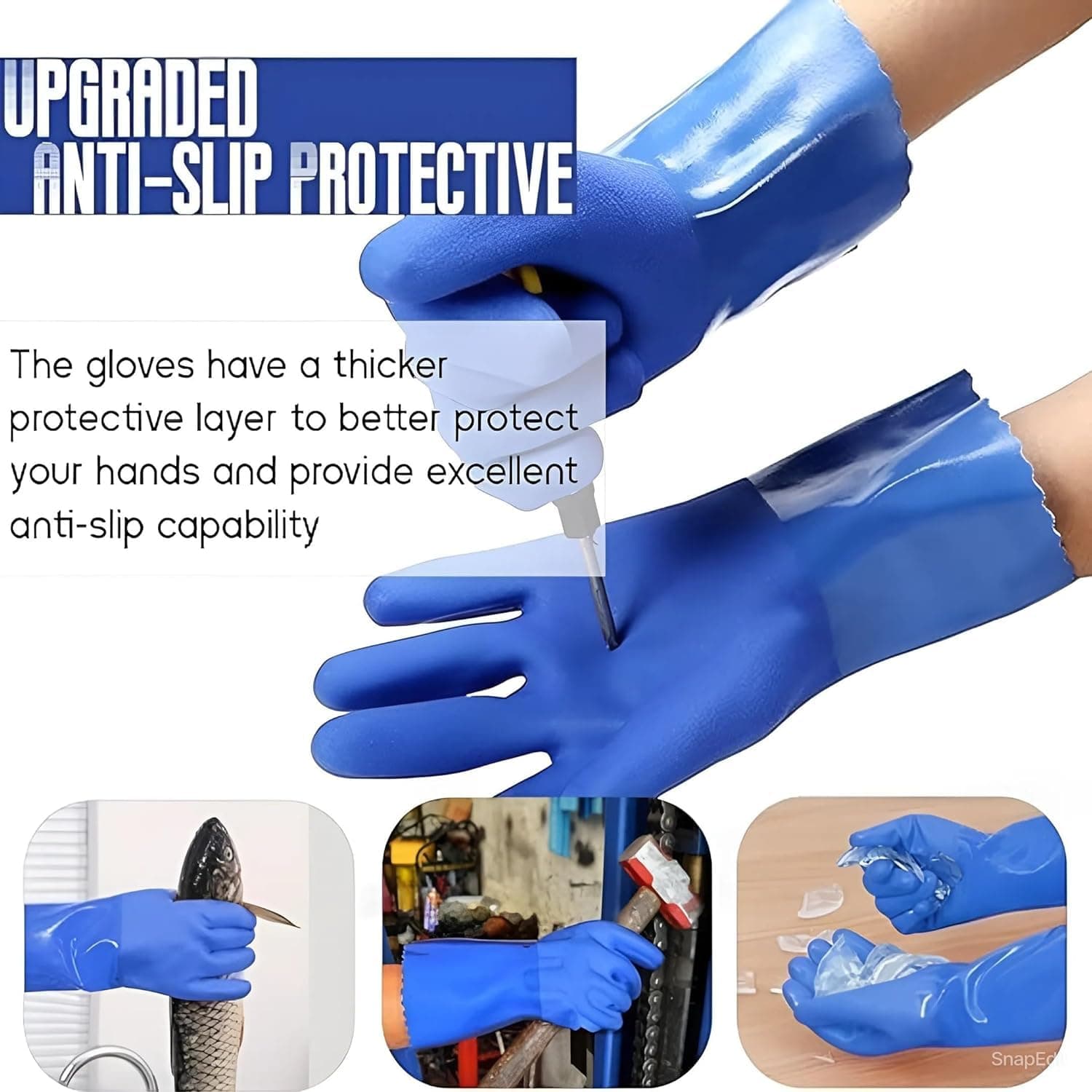
PVC industrial gloves can be a practical option for procurement teams building glove programs for food-processing support, commercial cleaning and general workplace tasks. The right choice is not decided by material name alone. Buyers need a written brief that connects the work, wearer, product dimensions, packing format and the approval process.
Start with the task and exposure map
List the work steps before requesting a quotation. Receiving, wash-down preparation, utensil cleaning, ingredient handling support, housekeeping and waste handling can create different requirements for cuff coverage, dexterity and grip. Record whether the glove will be used with water, oils, detergents or other agents, then share the actual product information, concentration, contact time and site procedures with the supplier.
A reusable PVC glove should not be treated as suitable for every chemical, food-contact or regulated application simply because it is called industrial. The buyer should confirm the relevant destination-market requirements, supplier documentation and site-level suitability before approval. Where an operation has a special exposure, a controlled process or a certification requirement, obtain the appropriate supporting evidence and perform the buyer's own evaluation.
Define the glove configuration clearly
A useful specification records material, length, thickness range, cuff finish, available sizes, lining preference and palm texture. It should also explain whether a smooth or textured surface is preferred and how the glove needs to perform in a wet routine. Request samples across the intended size range; fit that feels acceptable in a showroom may be less effective during a normal shift.
Cuff length should match the job. A shorter glove can support detailed work, while an extended cuff may provide more coverage for wash-down or cleaning routines. Do not select length in isolation. Compare it with the user's sleeve system, the cleaning tools and the movement required by the task.
Plan packing around the supply channel
For industrial and commercial programs, packing is part of the product brief. Confirm the number of pairs per polybag, inner box and master carton, plus carton marking, label language and barcode requirements. A distributor may need a clear inner-box presentation and stock-friendly carton quantity. A contract-supply customer may prioritize warehouse handling, straightforward issue to teams and repeat ordering accuracy.
Keep the final pack specification with approved artwork, model name and size marking. This gives procurement teams a reliable reference for repeat orders and helps avoid a mismatch between the approved glove and the delivered pack.
Use samples and inspection checkpoints
Ask for a sample that represents the intended production version, rather than a display sample with unspecified details. Review dimensions, color, cuff finish, pair appearance, texture, lining and packing accuracy. If the program requires changes after sampling, document each change and confirm which version becomes the production reference.
Agree practical inspection checkpoints before production. These can include sample approval, color or visual reference, size marking, packing confirmation and a pre-shipment review. Buyers using a third-party inspection or their own AQL plan should share the process early so the production and quality teams can prepare the relevant records.
Questions to include in an RFQ
A stronger PVC industrial glove RFQ states the intended application, estimated volume, target length, size range, preferred color, surface texture, lining, pack format, destination market and any labeling requirements. Add information about cleaning agents or task conditions where relevant. This allows a supplier to respond with an applicable configuration and identify points that need confirmation before a quotation or sample.
RSG Gloves supports OEM discussions for reusable glove programs. Review the PVC and industrial glove options, then send your intended application, packaging direction and destination market through the RFQ form. A controlled specification and approved sample are the best foundation for a repeatable supply program.
Use this guide to prepare the right questions.
This article is a sourcing checklist prepared by the Red Sunshine product and export team. Product suitability, documentation and final specifications must be confirmed for the selected model, application and destination market.
See our factory and quality processNext step
For an order-specific recommendation, send your application, preferred configuration, packaging direction and destination market to our team.
Send your requirements